Graphics
Arūnas Rutkus — The Quiet Architecture of the Body
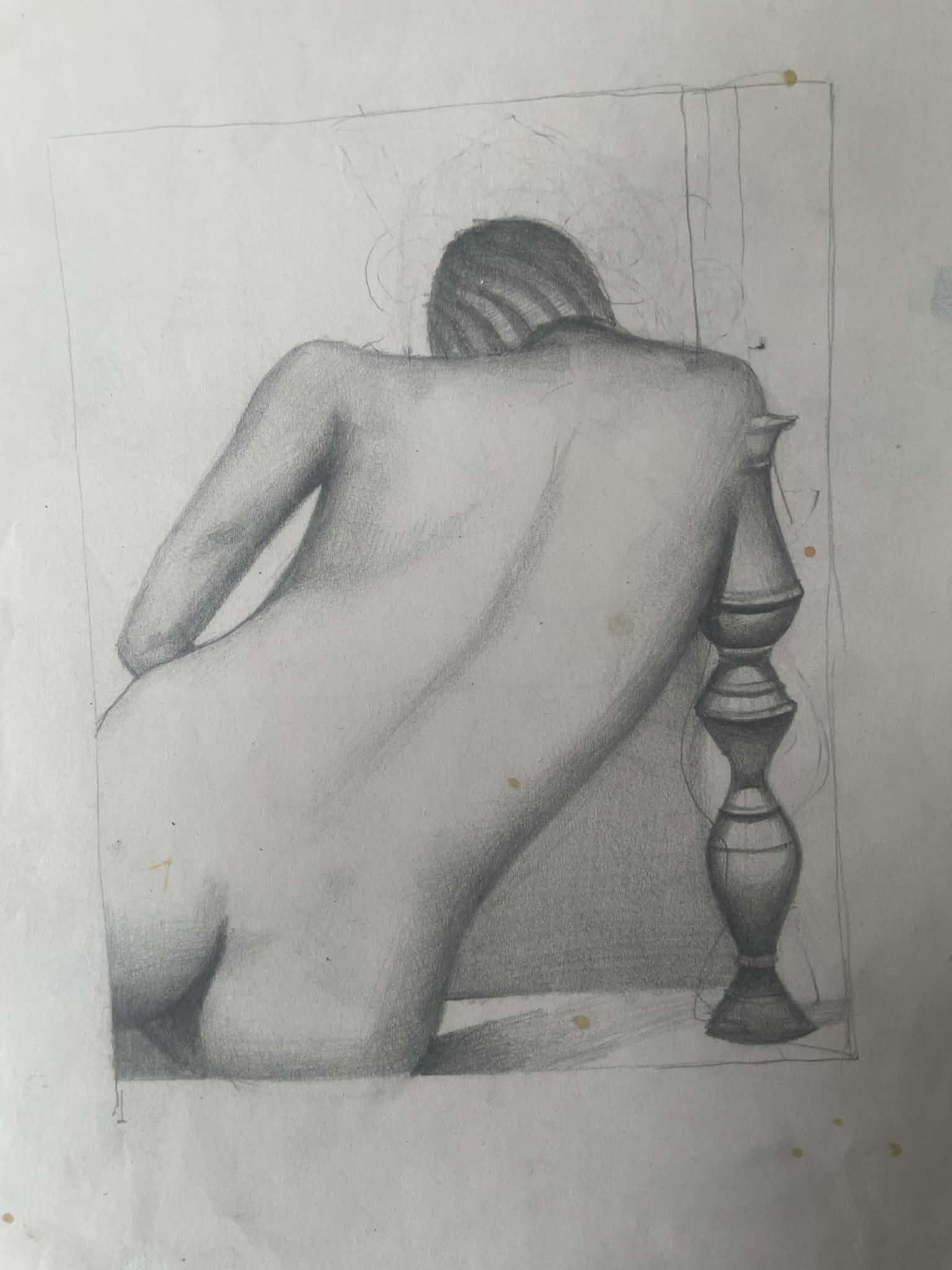
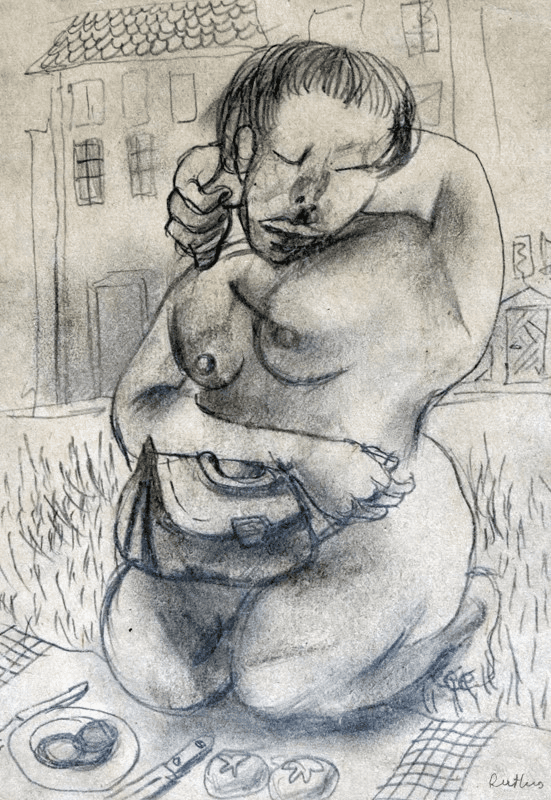
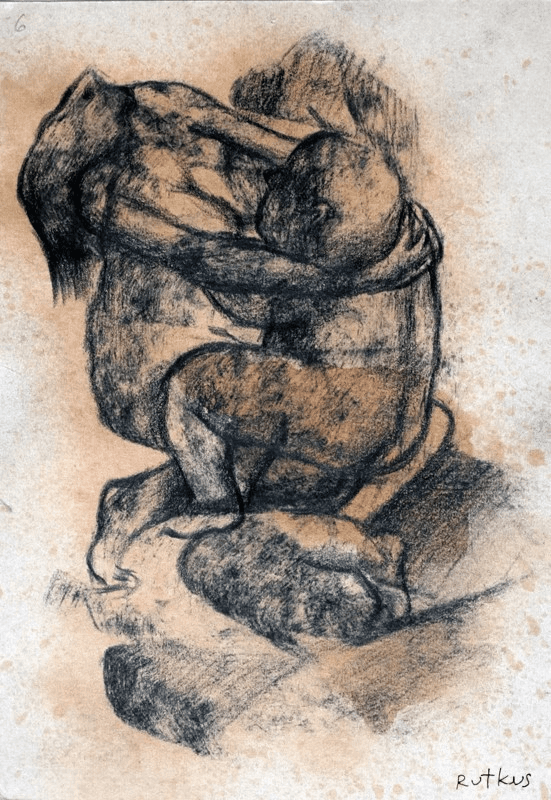
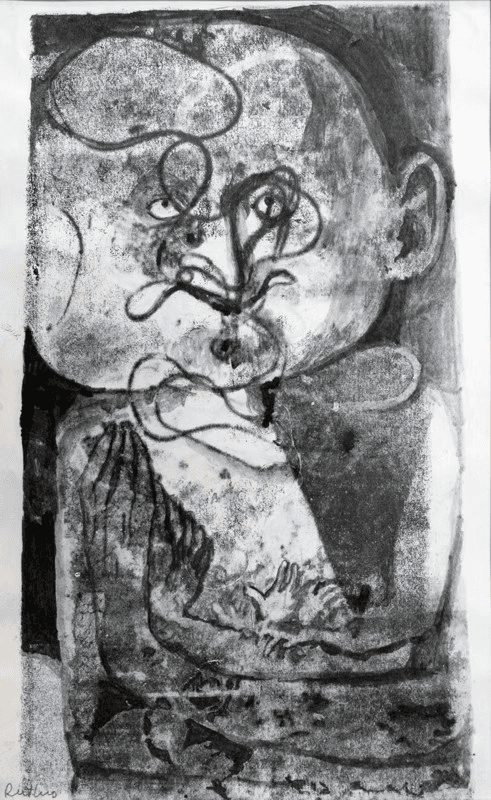
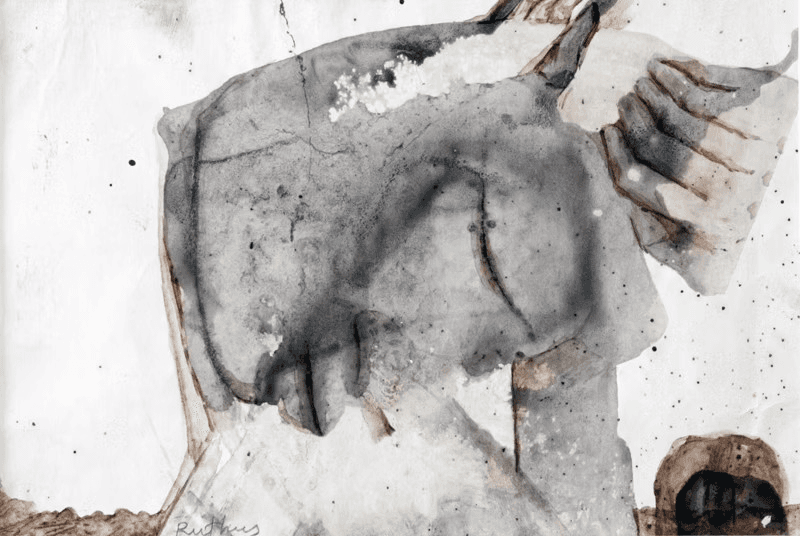
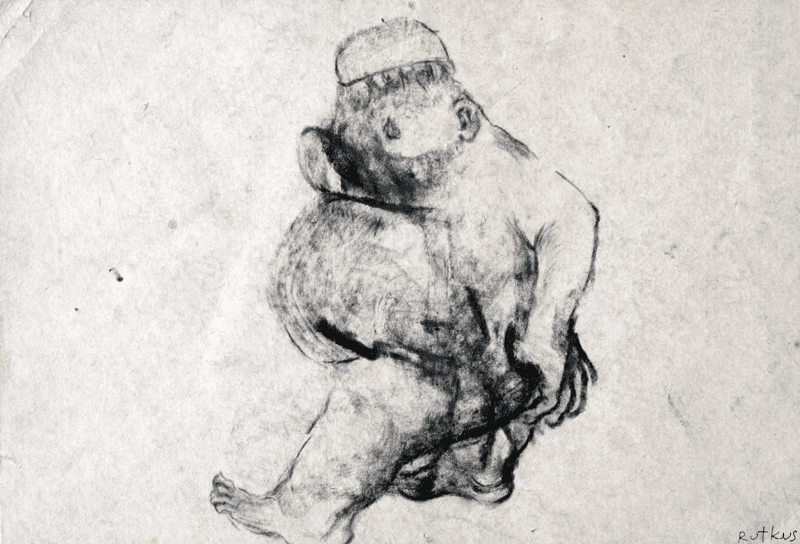
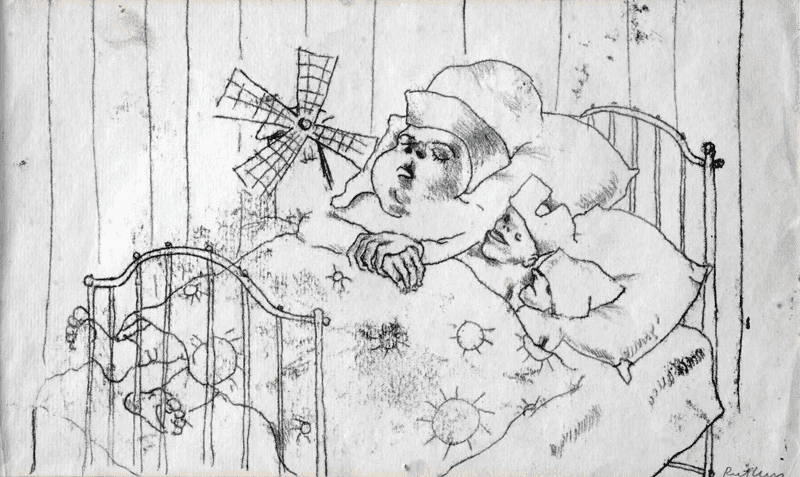
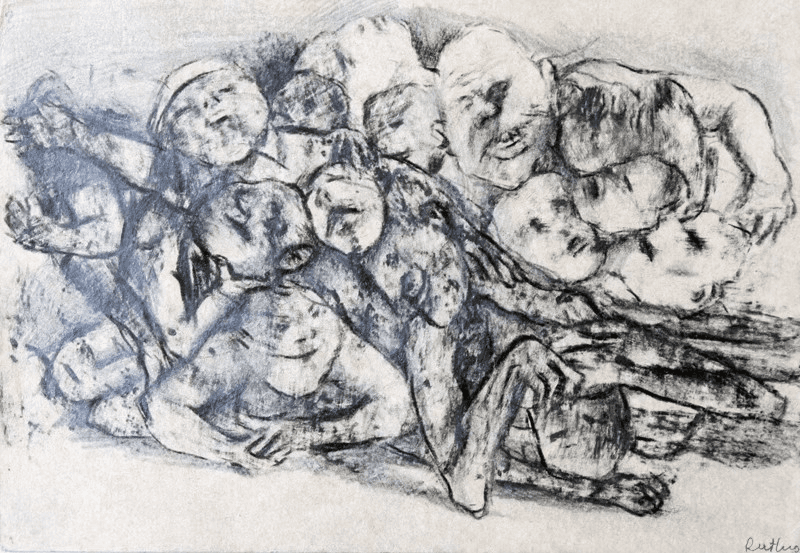
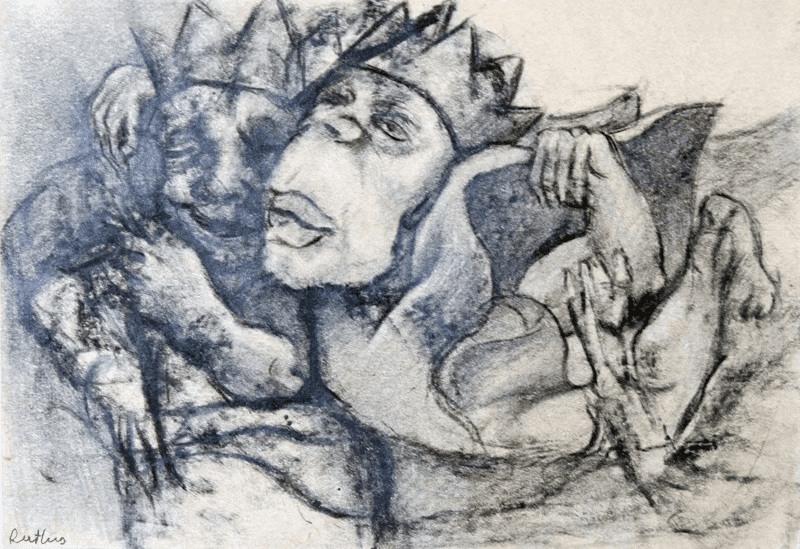
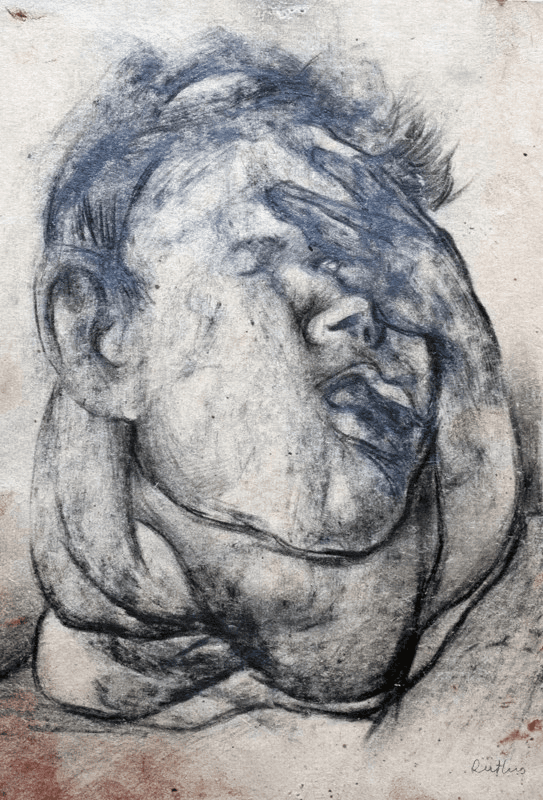
Arūnas Rutkus approaches the human figure not as a fixed image, but as a mutable structure—one that can be stretched, hollowed, or reconfigured into something at once intimate and unfamiliar. His drawings and paintings occupy a space where figuration dissolves into metaphor, and the body becomes a site of quiet transformation.
In the history of art, the body has often served as a measure of harmony or expression—from the classical ideal to the psychological intensity of modernism. Rutkus, however, sidesteps both clarity and drama. His figures do not declare themselves; they withdraw. In this sense, his work resonates faintly with the existential solitude of Alberto Giacometti, yet without the same sense of anguish. Instead, Rutkus offers a more subdued, almost meditative estrangement.
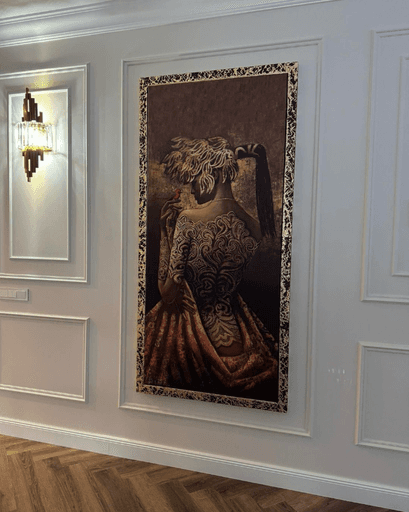
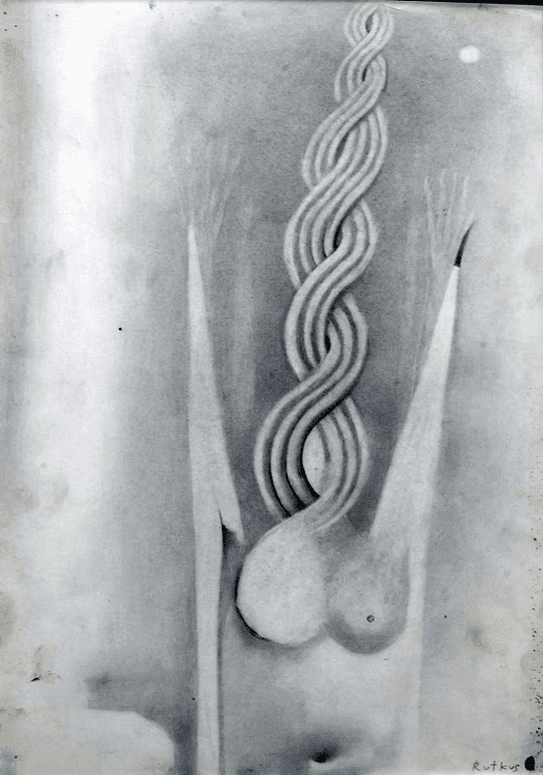
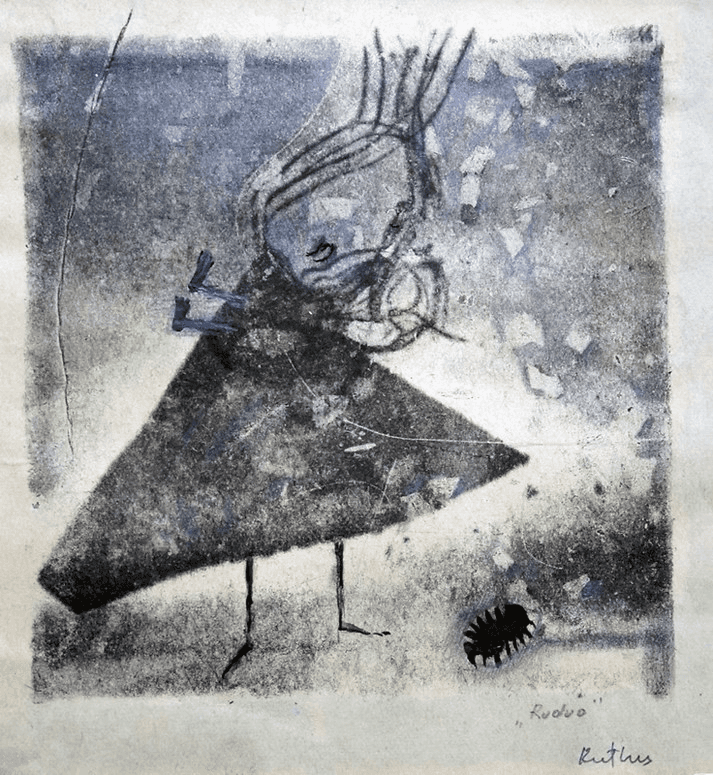
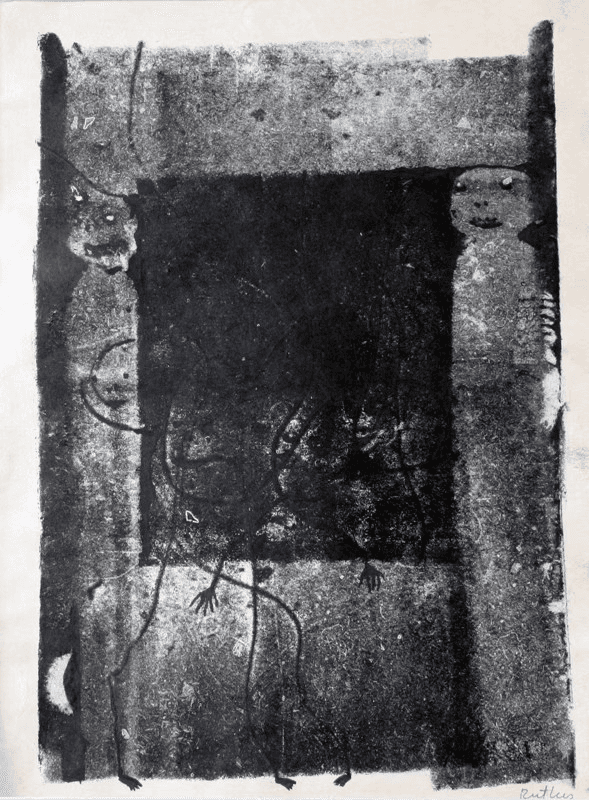
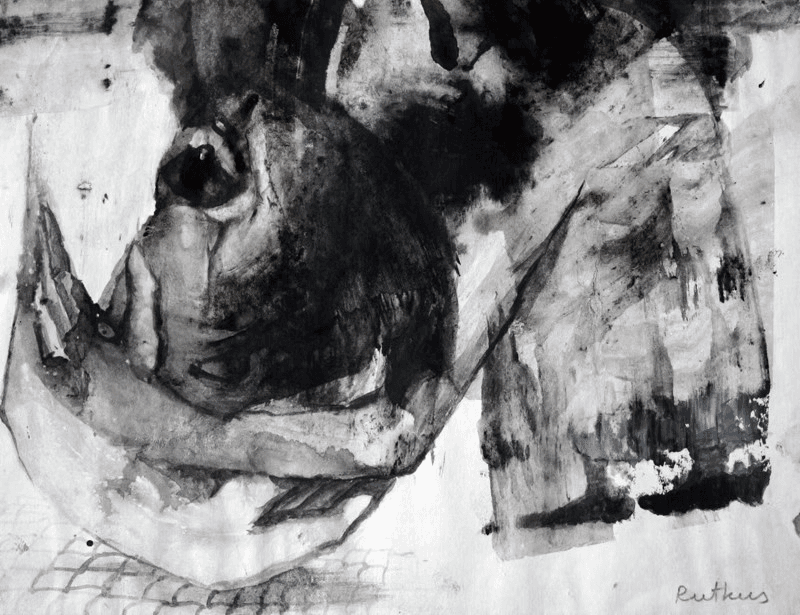
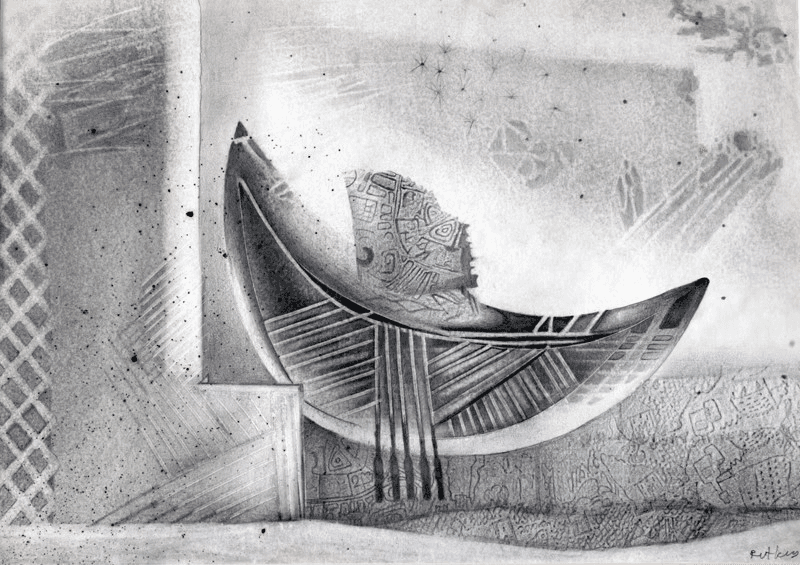
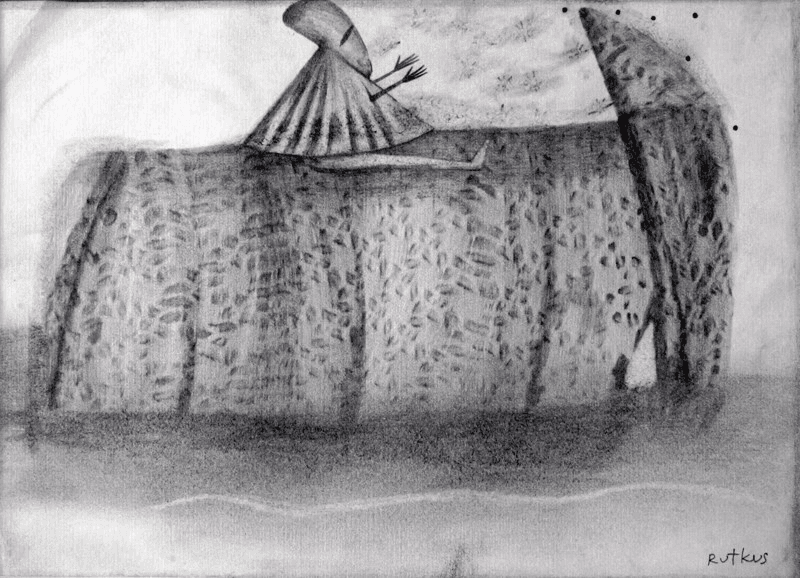
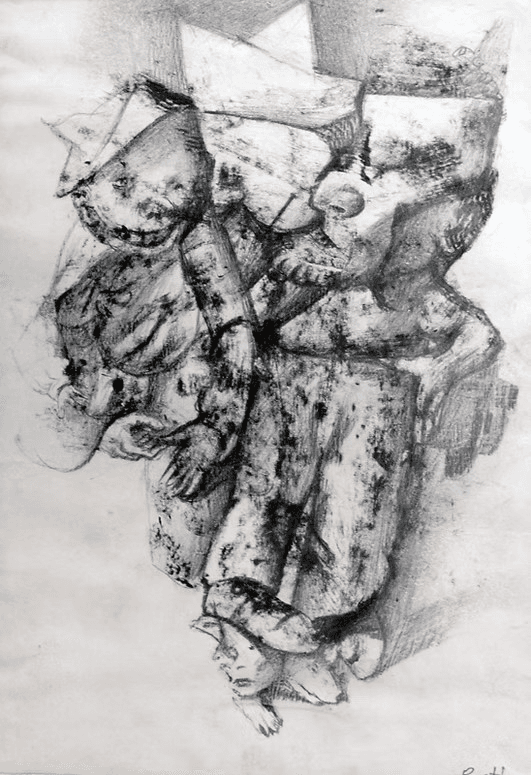
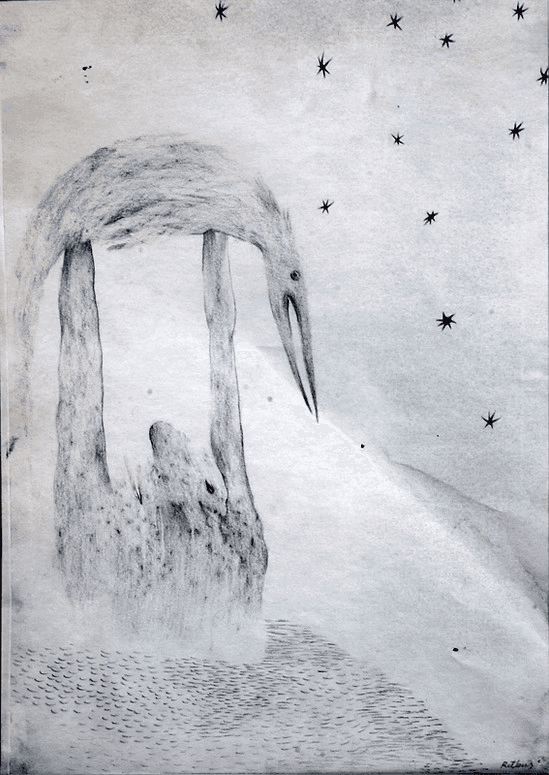
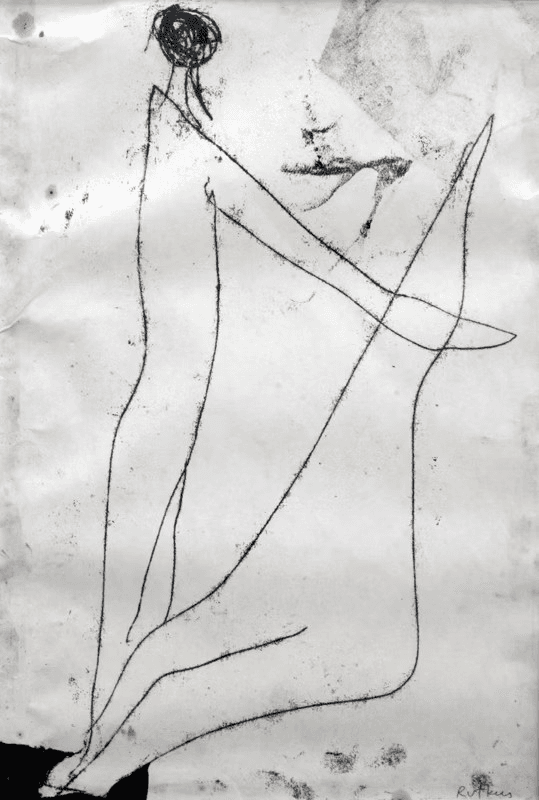
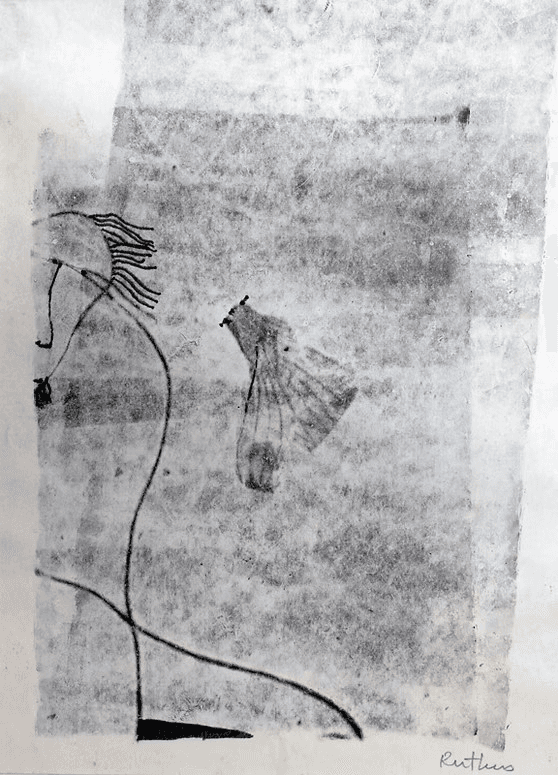
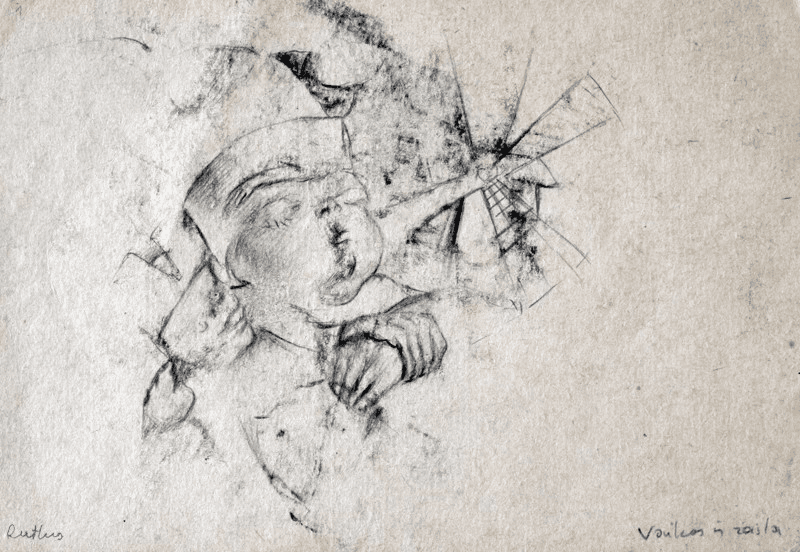
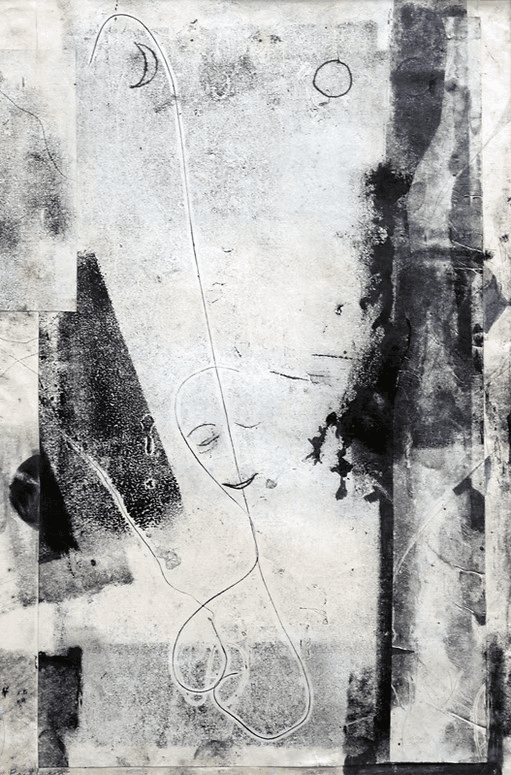
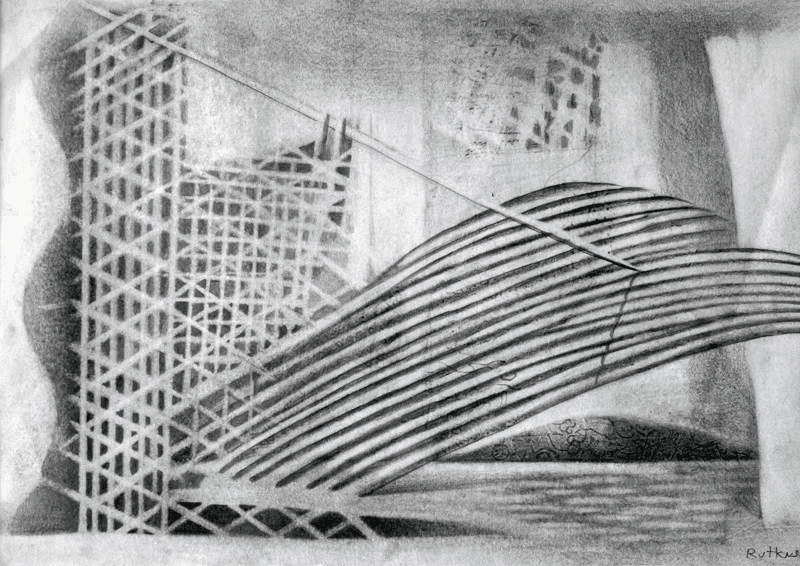
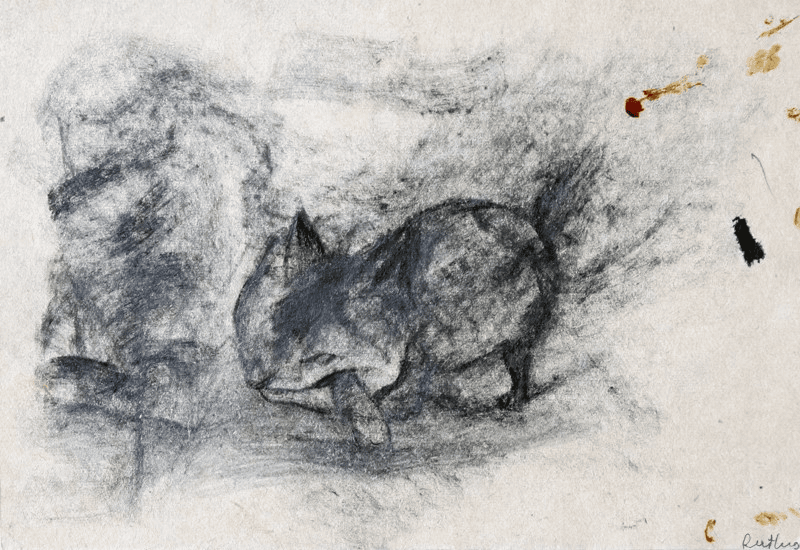
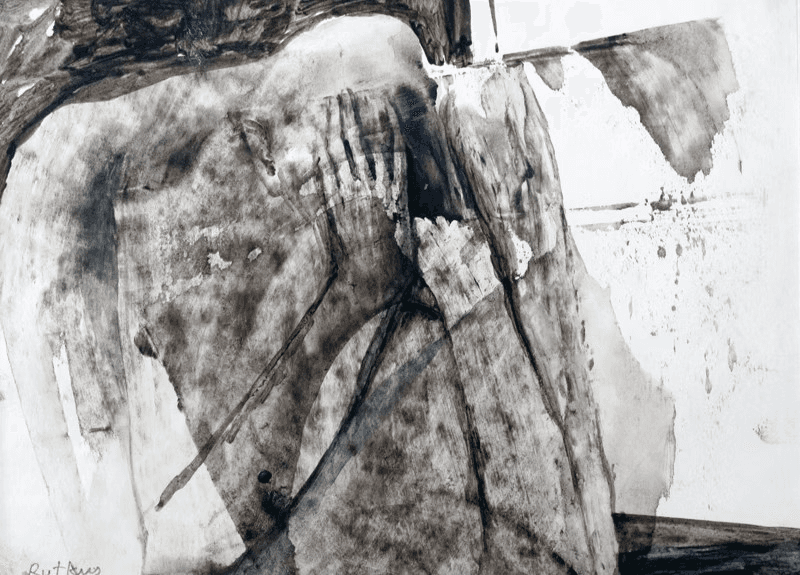
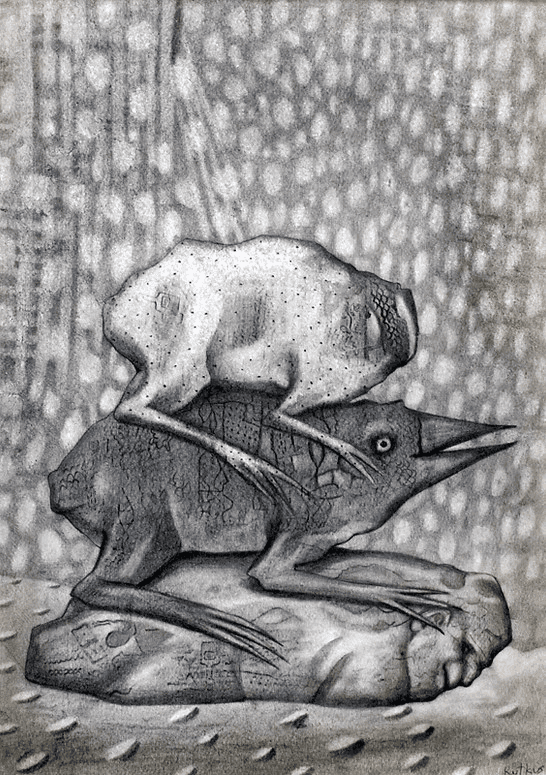
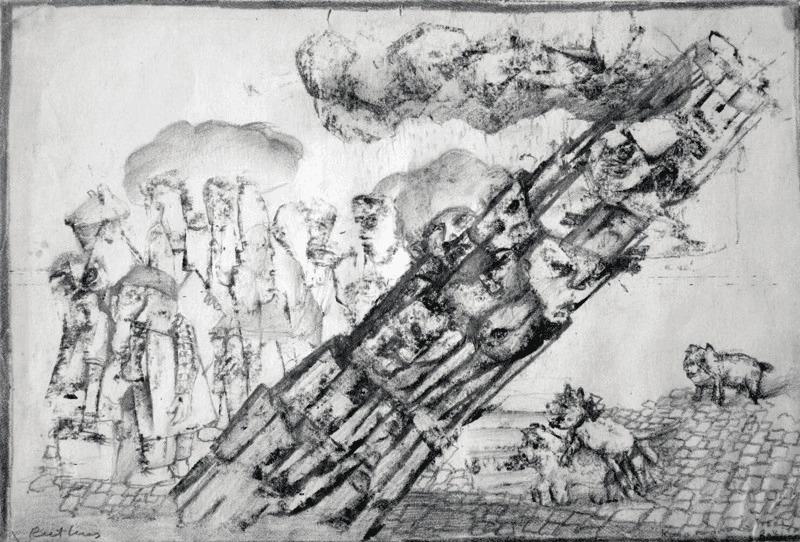
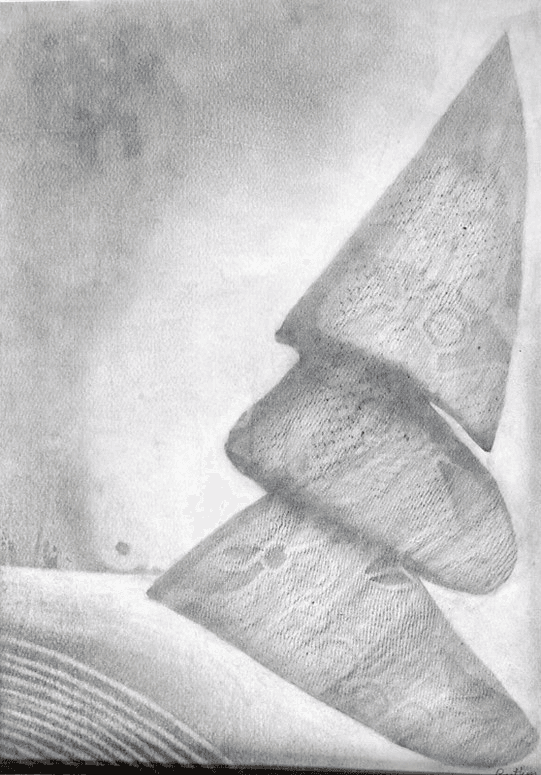
In several works, the body is interrupted by structures that seem neither fully organic nor entirely artificial. A vertical, braided form rises through the torso like an internal column—suggesting spine, ornament, or encoded signal. Elsewhere, a bird-like figure leans downward, elongated and weightless, as if gravity itself has been reconsidered. These interventions do not distort the body in the expressionist sense; rather, they reframe it, turning anatomy into architecture.
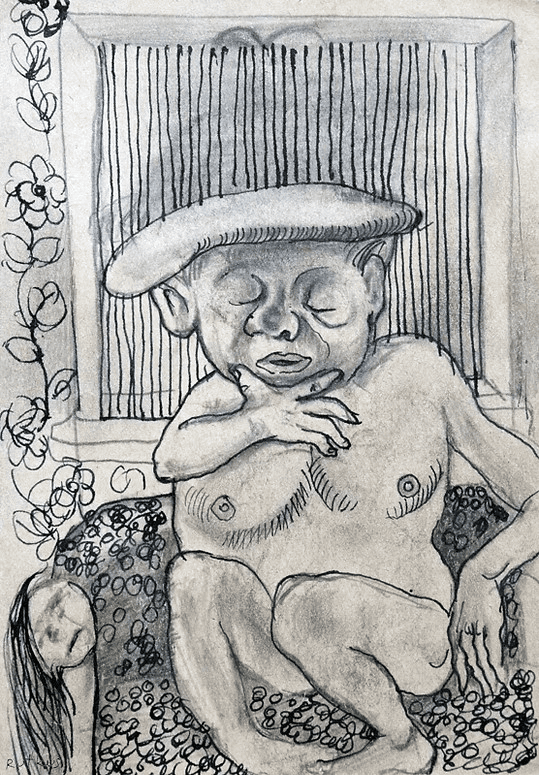
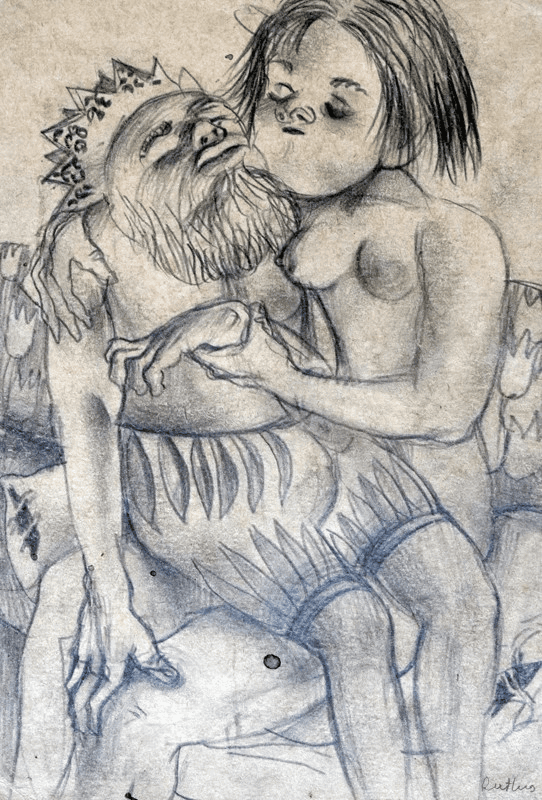
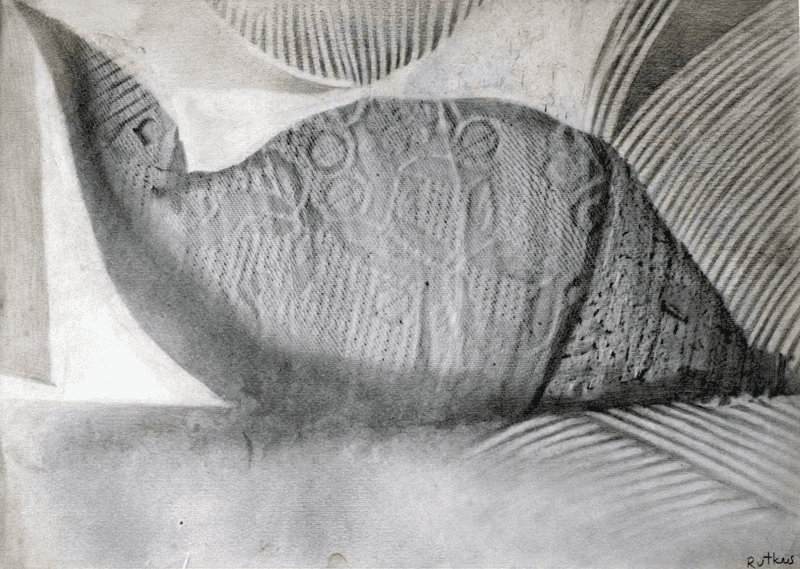
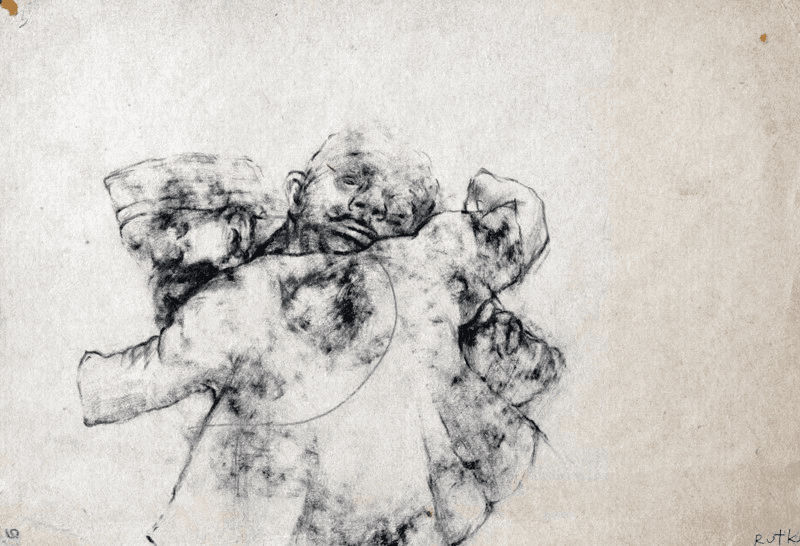
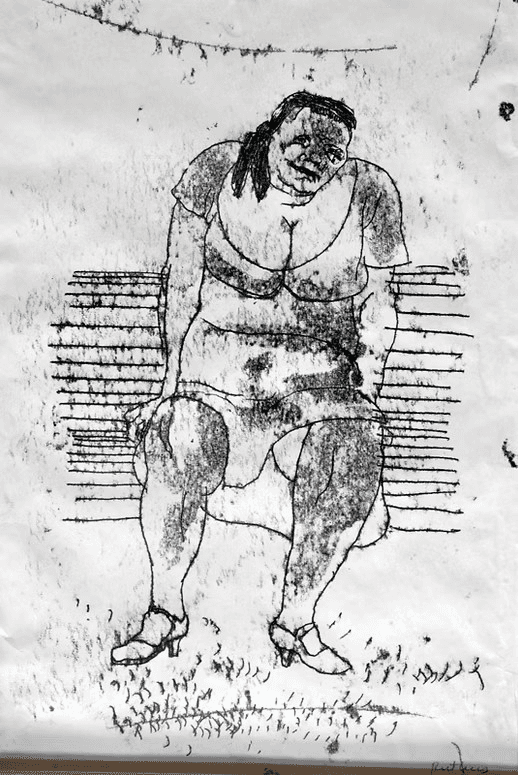
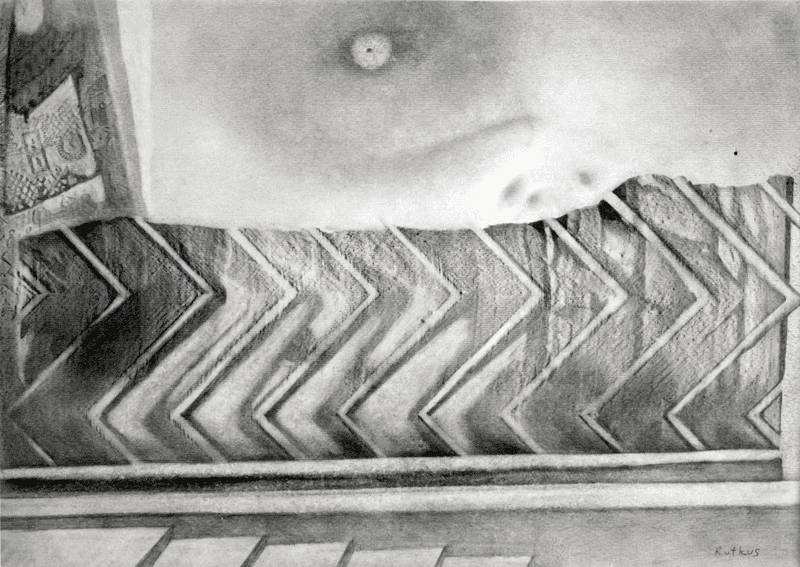
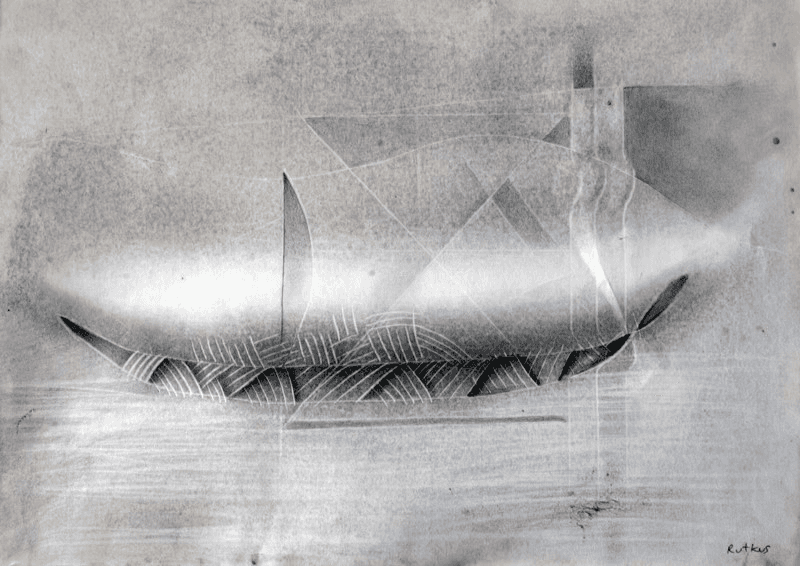
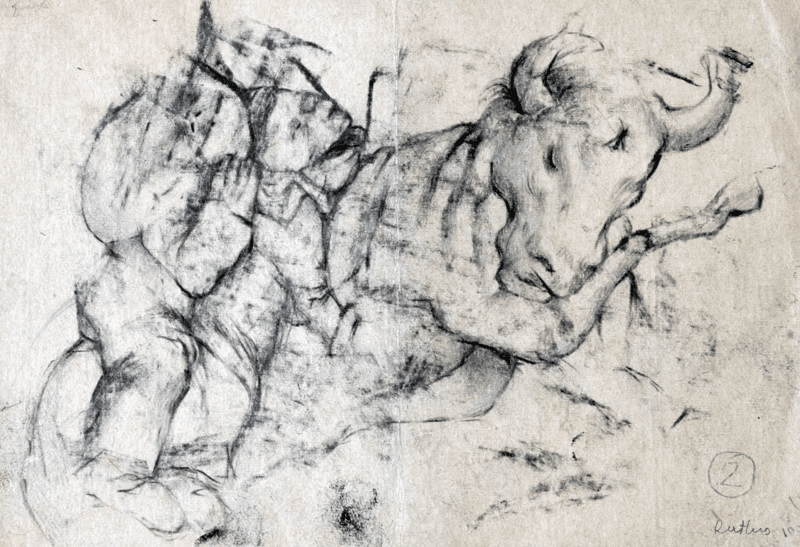
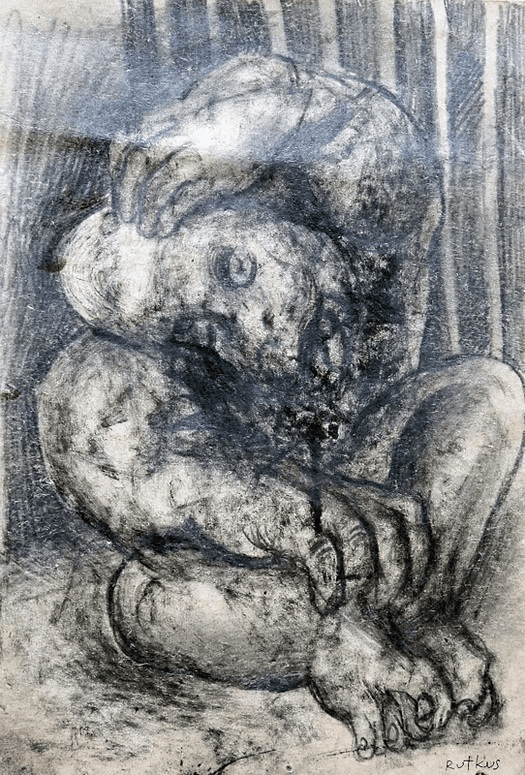
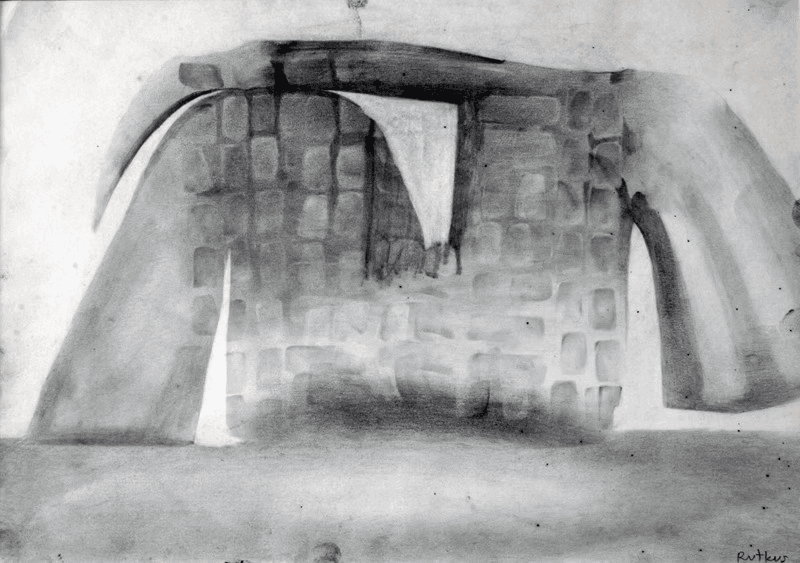
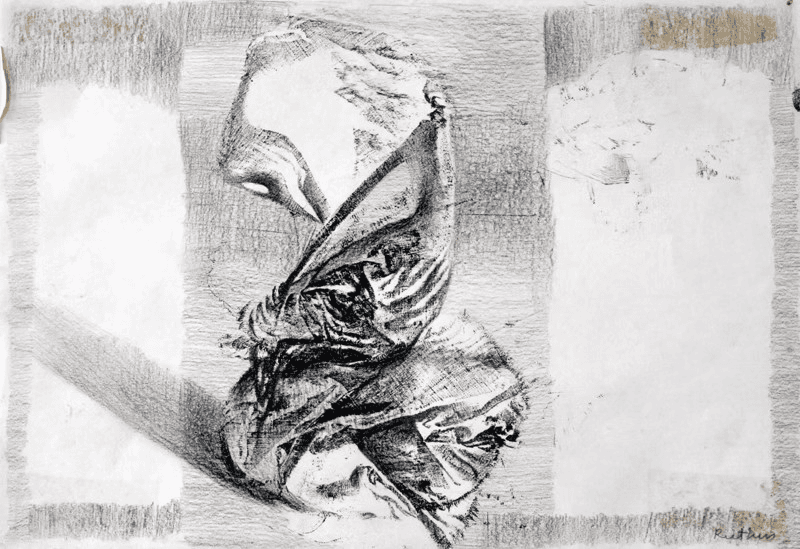
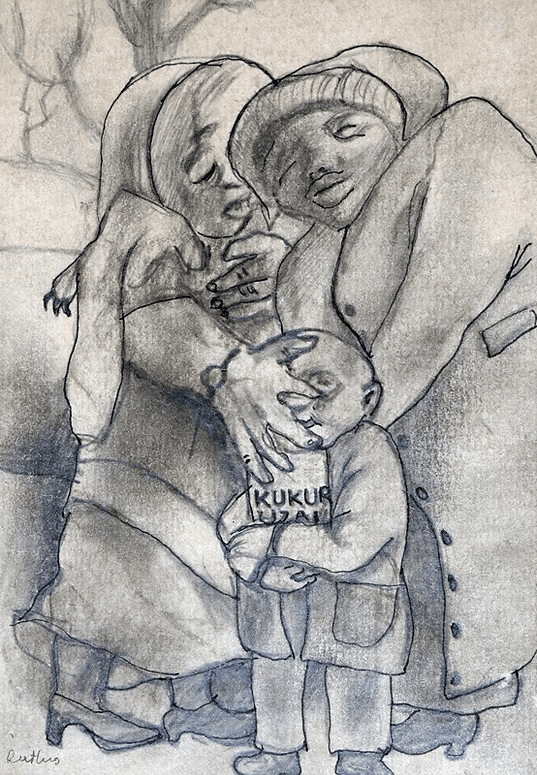
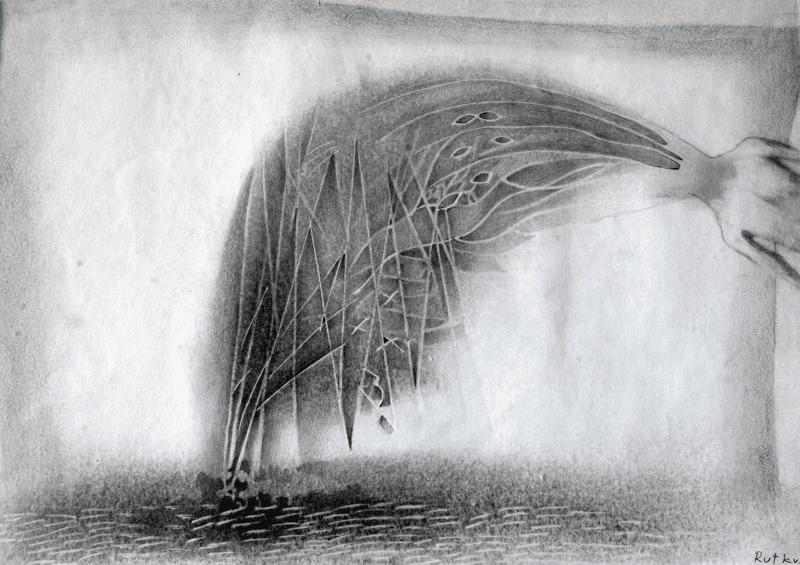
His monochrome drawings reveal a particular sensitivity to surface. The restrained palette recalls the discipline of classical draftsmanship, yet the atmosphere is unmistakably contemporary. Figures appear suspended in undefined пространства—neither interior nor landscape—echoing the spatial ambiguity found in the work of Giorgio de Chirico. However, where de Chirico constructs metaphysical cities, Rutkus internalizes that mystery, locating it within the body itself.
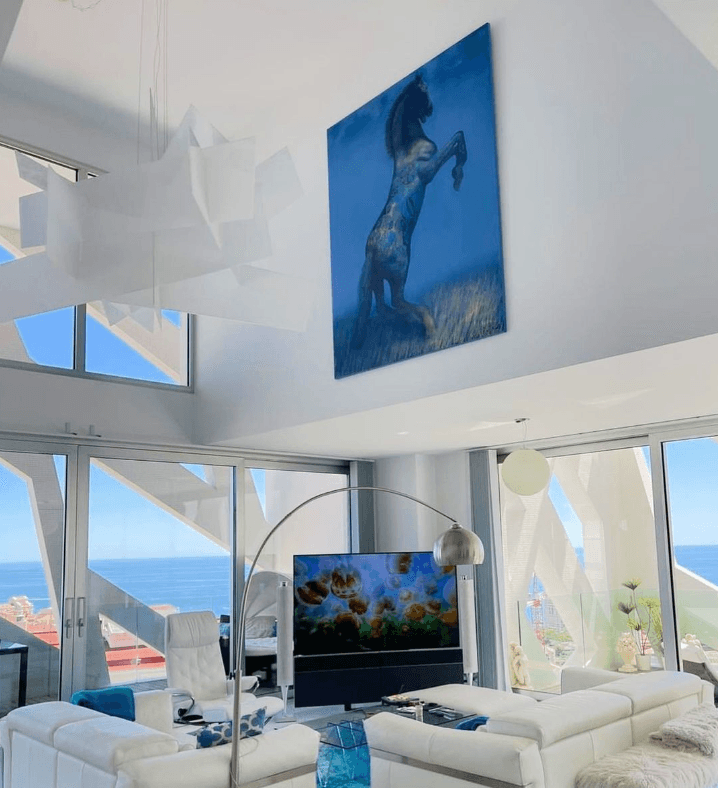
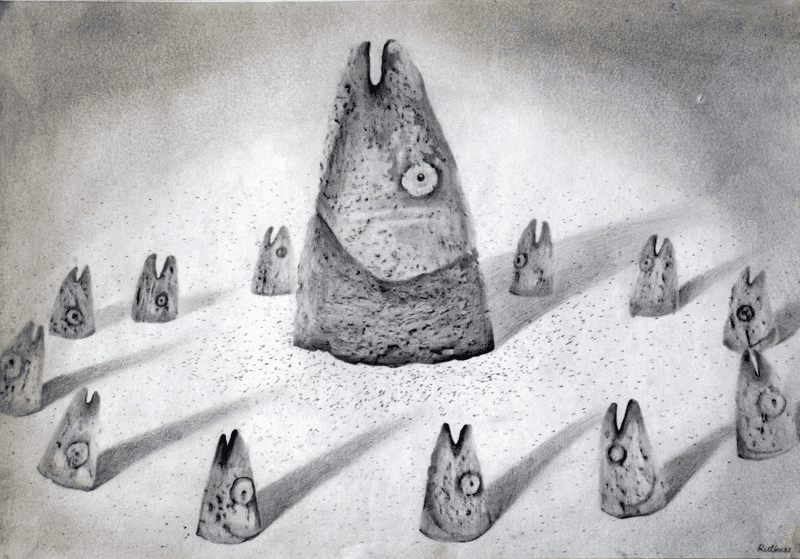
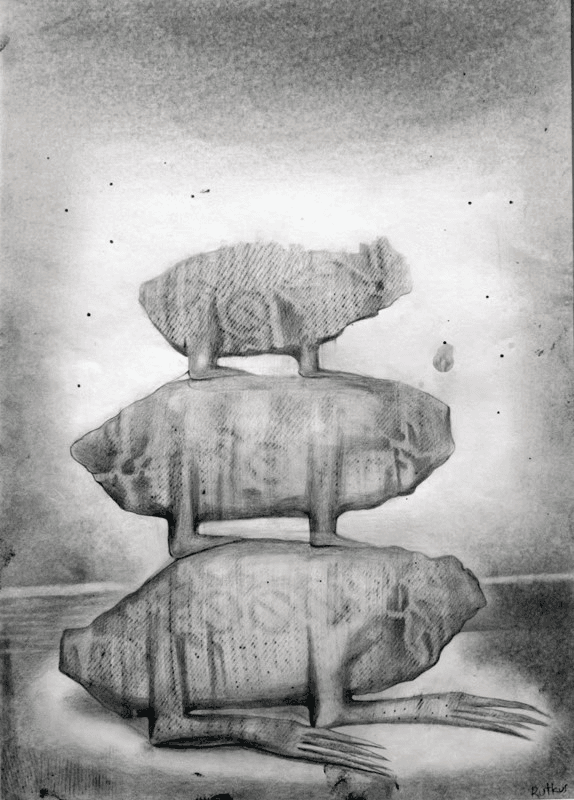
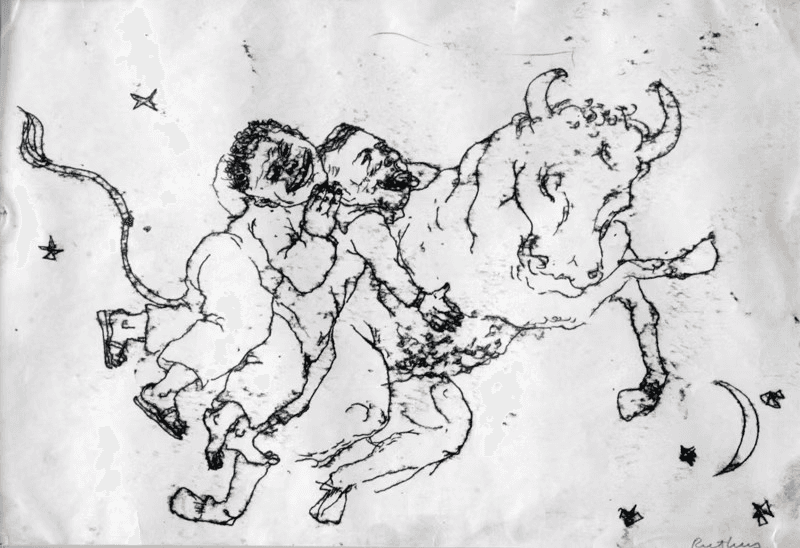
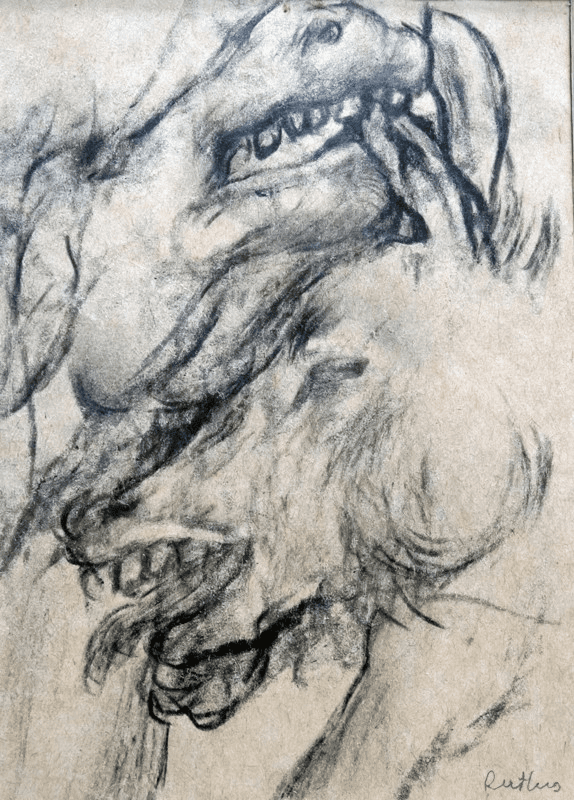
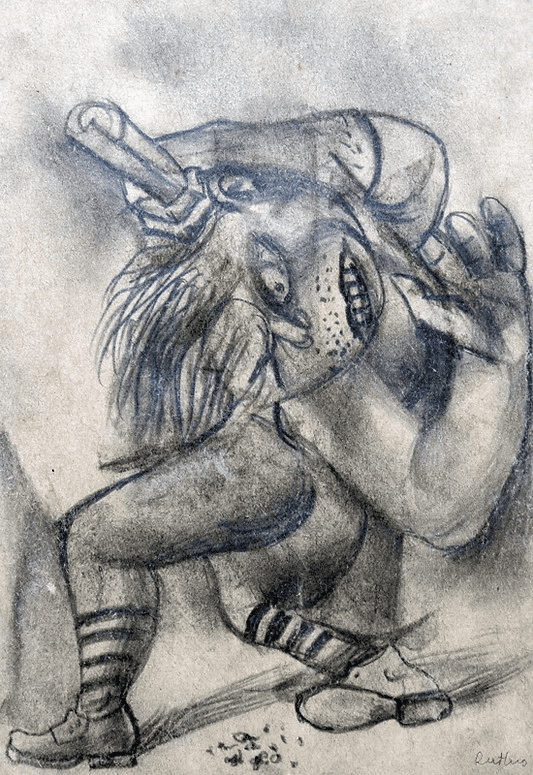
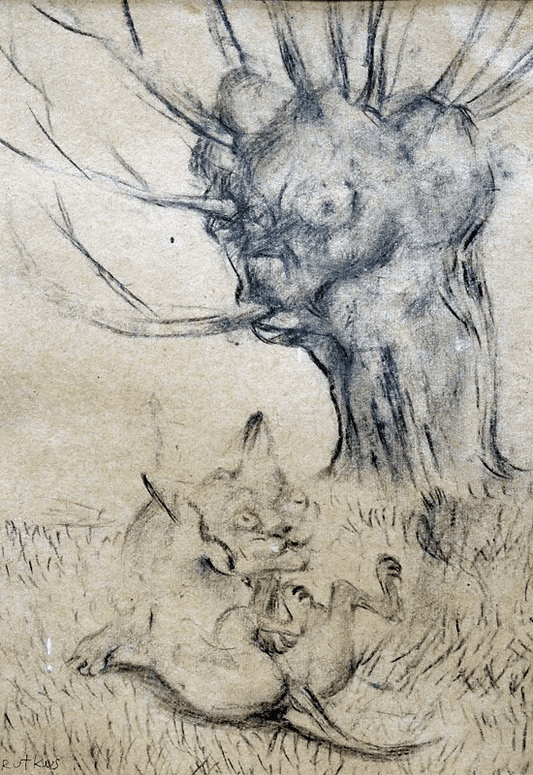
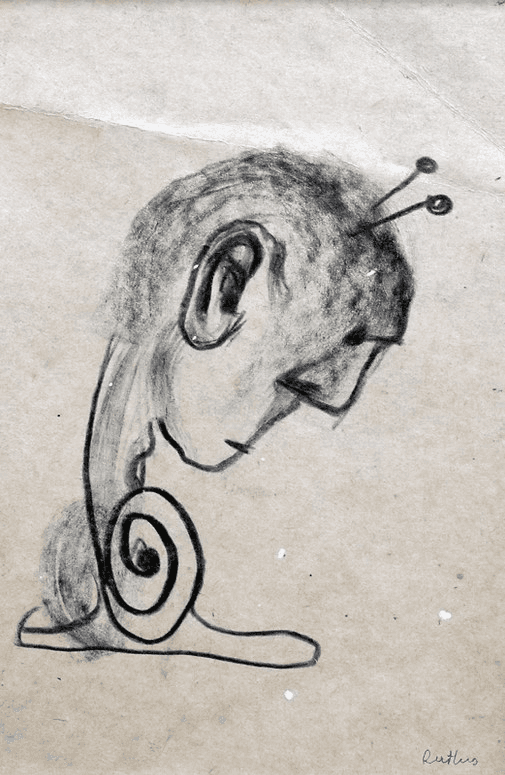
There is also an undercurrent of surrealism in his imagery, though it is a quiet, almost clinical surrealism. The juxtapositions—human, object, animal—do not shock; they unfold slowly, as if they had always belonged together. This places Rutkus closer to a lineage of contemplative surrealism rather than its more theatrical expressions.
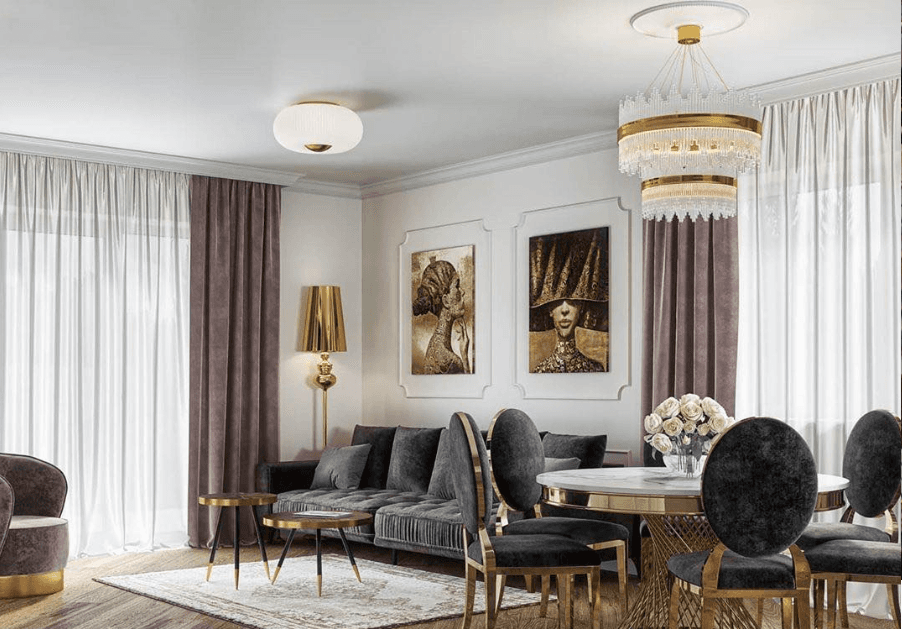
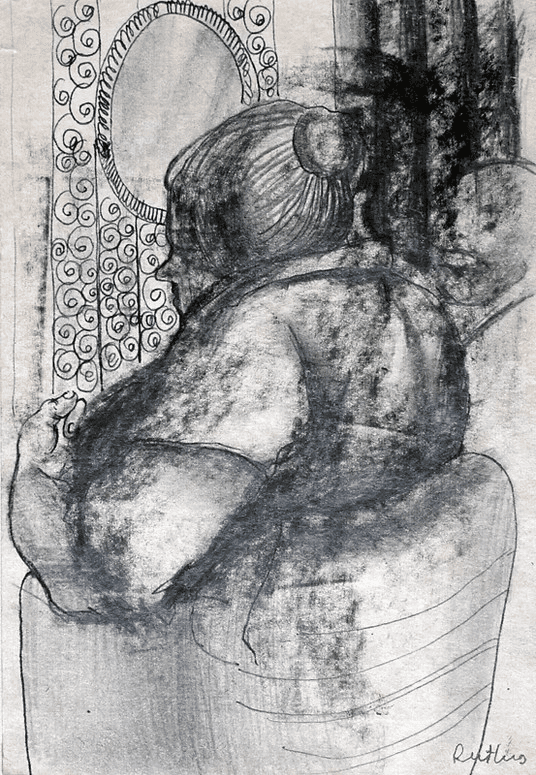
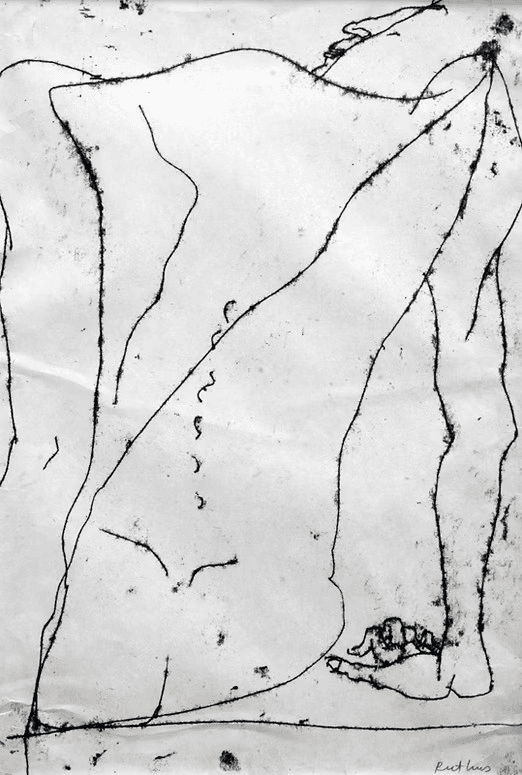
What ultimately defines Rutkus’s work is restraint. His figures are often turned away, bent inward, or partially obscured. They resist narrative and instead exist as states—moments of suspension between presence and disappearance. The body is not presented as identity, but as a vessel: something that holds, conceals, and gradually transforms.